
Hallein, Salzburg
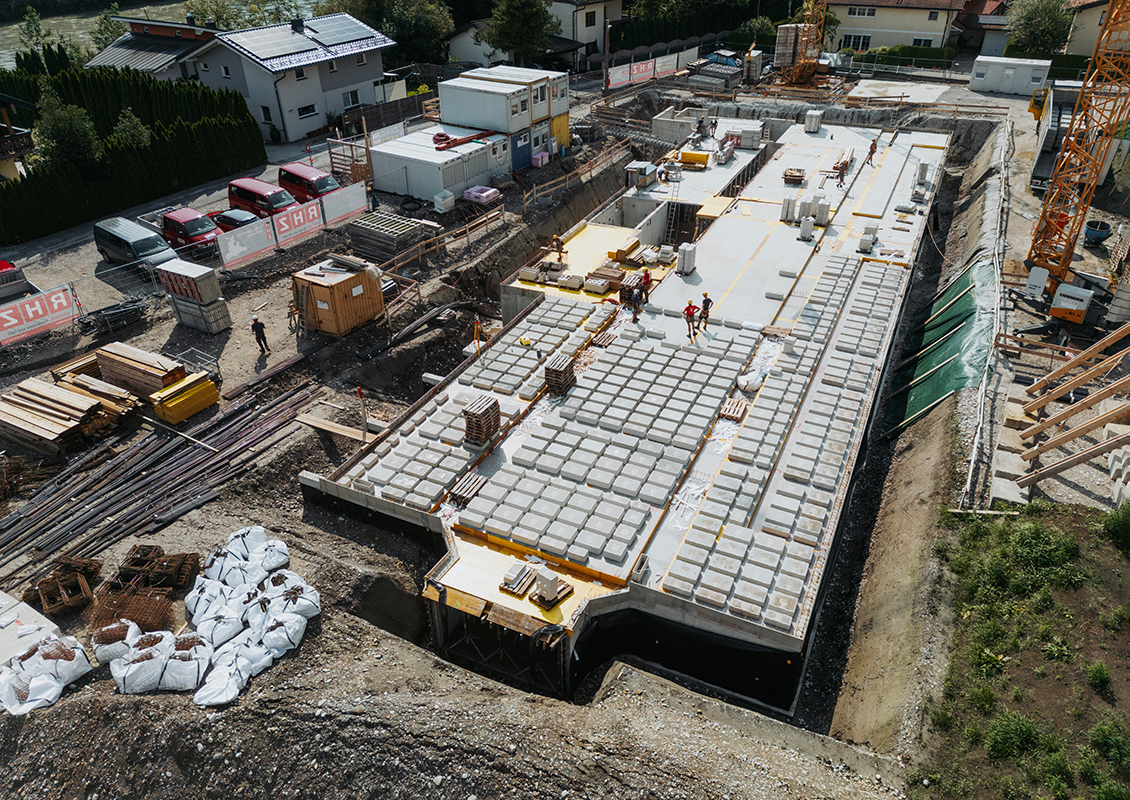
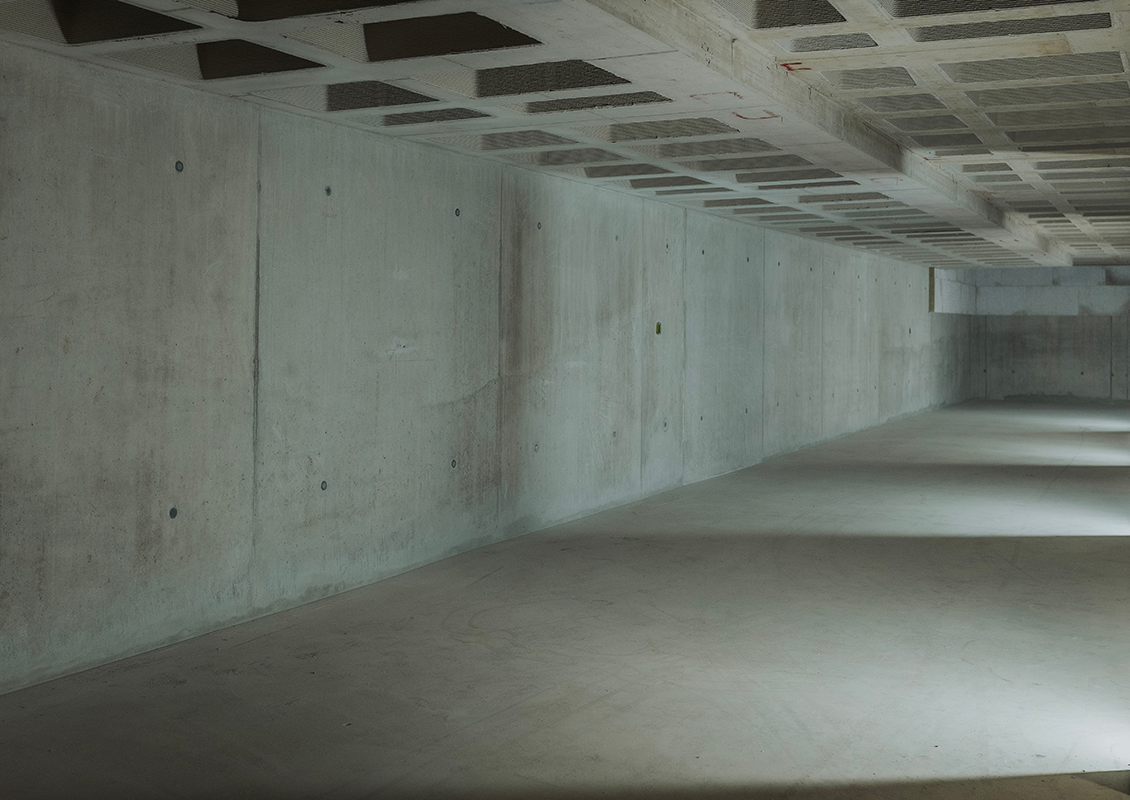
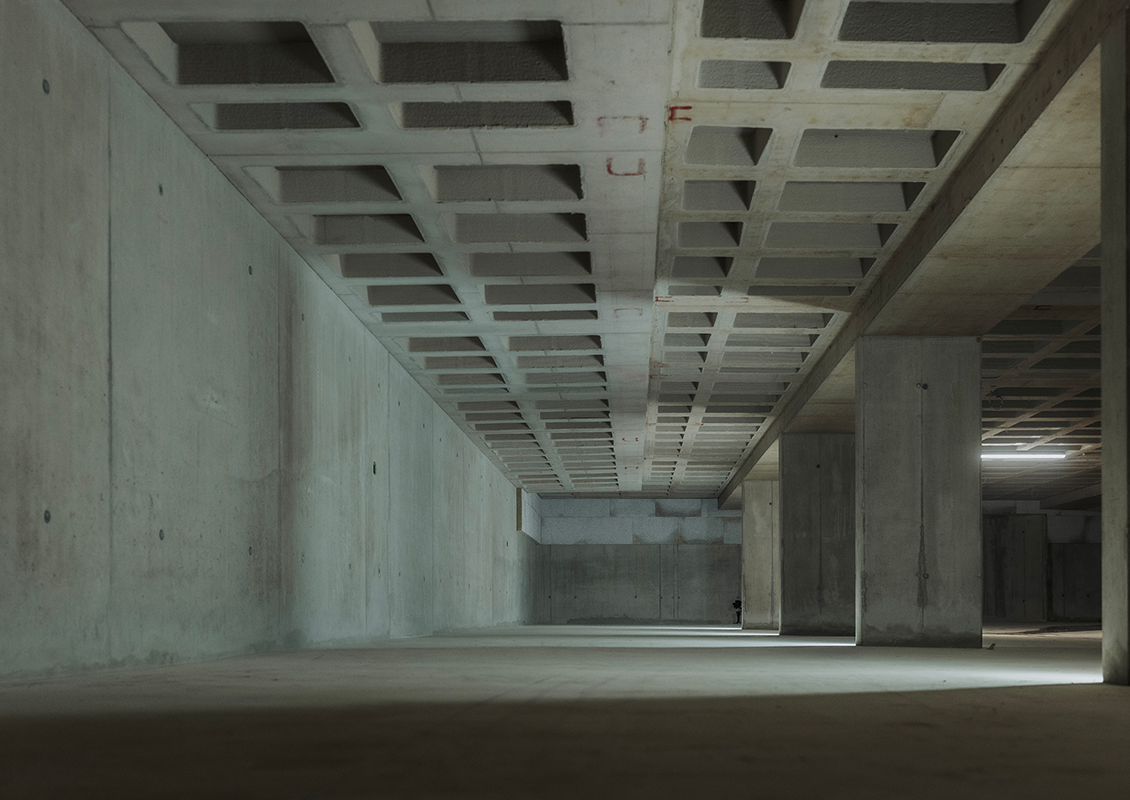
For the residential building on Salzstadlstraße in Hallein, ENGELSMANN PETERS designed the structural system for the ceiling above the basement. The underground parking garage ceiling serves as the central structural element between the parking garage and the building structure above it and was developed as a separate design task in close coordination with the structural engineer responsible for the overall structure.
A particular challenge was coordinating the interfaces between the above-ground floors and the underground parking garage. Due to the architecturally dictated shift in vertical load transfer, the load-bearing walls and columns of the upper floors do not align with the column axes of the underground parking garage. The underground garage ceiling therefore functions as a heavily loaded support ceiling and, in addition to vertical loads, also absorbs significant bending moments resulting from indirect load transfer. The design was based on the loads from the rising sections of the structure provided by the structural engineer for the overall structure.
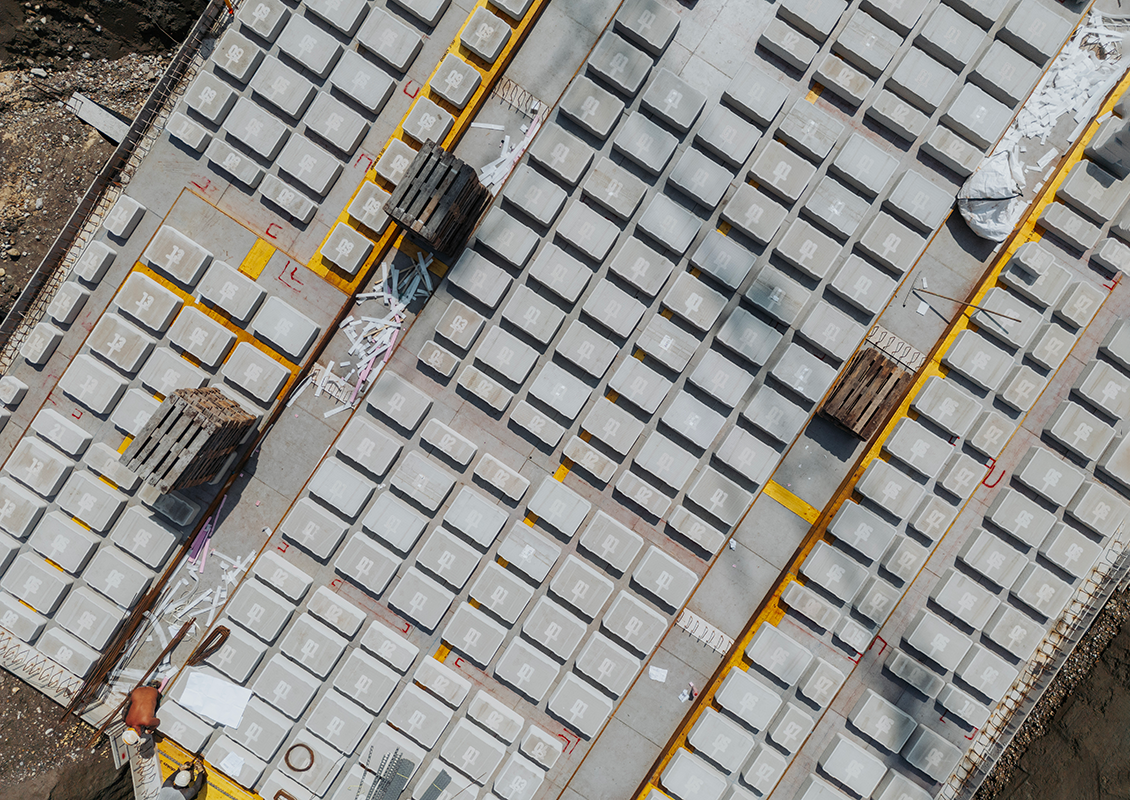
A coffered ceiling was developed to economically accommodate these exceptional loads. The ribbed structure follows both the column axes of the underground parking garage and the load paths of the supporting structure above it.
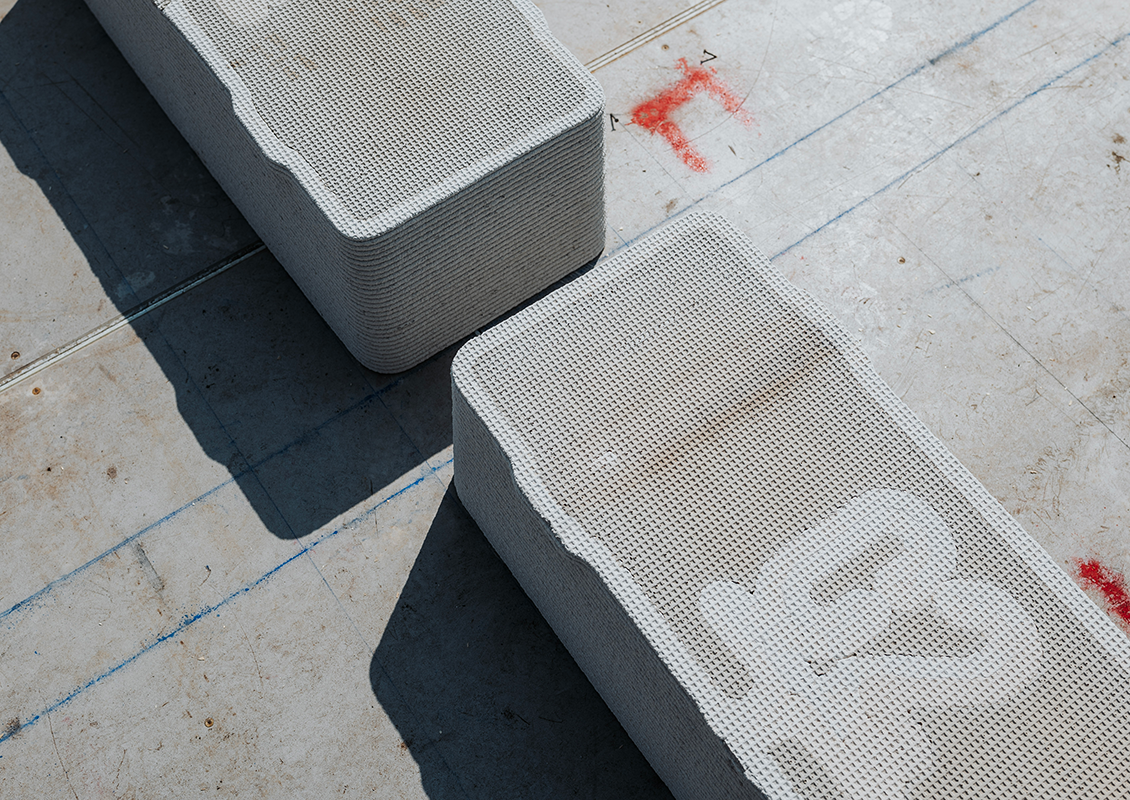
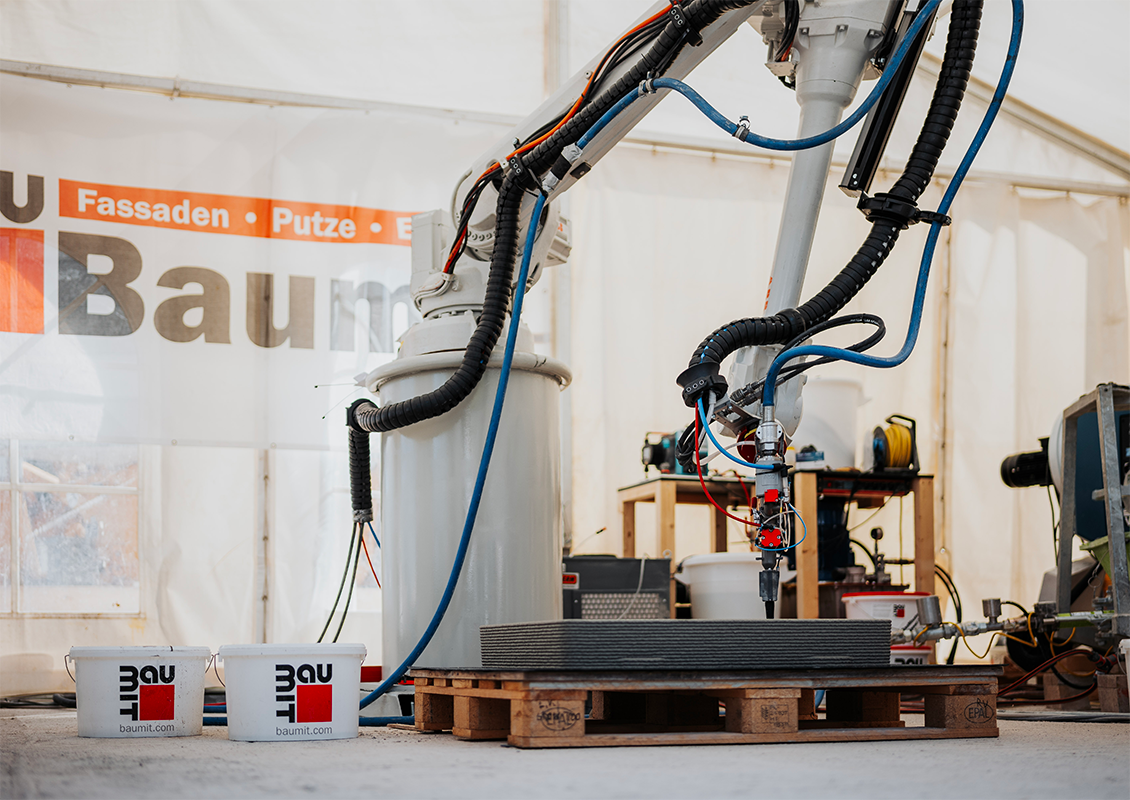
The design of the hollow structures using formwork made of 3D-printed concrete is particularly innovative. The prefabricated 3D-printed concrete elements remain permanently in the structure and enable the construction of a material-efficient coffered ceiling. This marks the first time that 3D-printed concrete has been used in this form to create a highly stressed support ceiling. The underlying material and component properties were investigated as part of several research projects at Graz University of Technology and verified by independent testing laboratories.
Despite the high structural requirements, the optimized floor slab design resulted in a concrete savings of approximately 34% compared to a conventional solid slab. This corresponds to a reduction in material use of nearly 100 m³ of concrete and a decrease in CO₂ emissions of about 25%. The project serves as a prime example of how innovative manufacturing technologies and sophisticated structural engineering can lead to resource-efficient and cost-effective structures.
Salzburg Housing Authority
Structural design LP 1-6, 8
Berger Architecture
2024–2025
Salzburg Housing Authority